
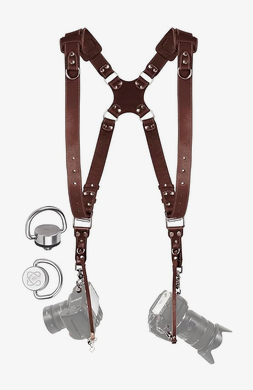
When choosing the best camera straps for hiking, I look for essential features such as padded shoulder support, adjustable carrying positions, durable materials, secure attachment systems, and quick camera access.
Every hiking trail offers a new photographic opportunity, but carrying your camera comfortably and securely can make all the difference between enjoying the journey and struggling with your equipment.
Whether I am exploring rugged trails, photographing wildlife, or capturing breathtaking landscapes, a reliable camera strap helps keep my equipment within reach while allowing me to move freely.
In this guide, I will explore the best camera straps for hiking, highlighting their key features, comfort, security, and suitability for different cameras and outdoor activities. I will also share my top picks, discuss the important factors to consider before buying, explain the advantages of using a dedicated hiking camera strap, and answer frequently asked questions to help you choose the right option for your photography adventures.
5 Best Camera Straps for Hiking
(1)Dual Camera Harness Leather Camera Strap
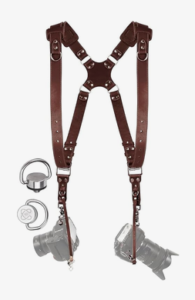
The Dual Camera Harness Leather Camera Strap DSLR/SLR is designed for photographers who need to carry two cameras comfortably while keeping them accessible during demanding shooting sessions. Whether you are exploring hiking trails, photographing wildlife, covering outdoor events, or documenting a long journey, this dual-camera harness offers a practical alternative to carrying cameras with separate neck straps.
One of the main advantages of this camera harness is its ability to hold two DSLR or SLR cameras simultaneously. This arrangement is particularly useful for photographers who switch between different lenses or camera bodies while working.
For hiking photography, carrying two cameras can help you move between landscape and wildlife shots without repeatedly changing lenses. Keeping both cameras within reach also reduces interruptions when an interesting scene appears.
Comfort is essential when choosing the best camera straps for hiking, especially on trails that involve several hours of walking. The harness features an X-back design that distributes the weight of both cameras across the shoulders rather than concentrating it around the neck. This design is intended to improve comfort during extended photography sessions lasting approximately 10–12 hours.
For hikers, wedding photographers, event professionals, and travel photographers, balanced weight distribution can make carrying camera equipment more manageable. However, overall comfort will depend on the combined weight of the cameras, the fit of the harness, and the terrain.
The harness incorporates a strong hook and an additional safety strap to provide two layers of camera attachment security. Its quick-release mechanism is intended to make attaching or removing cameras easier when changing activities or adjusting equipment.
This arrangement is useful when photographing on uneven hiking trails, where secure equipment attachment matters. Nevertheless, photographers should check both attachment points before setting off and confirm compatibility with their camera’s mounting system.
The leather design gives the harness a traditional photographic appearance while providing a structured carrying system for compatible DSLR and SLR cameras. Its dual-camera configuration is particularly suited to photographers who prioritize accessibility and organized equipment carrying.
The product also comes with a transferable lifetime warranty covering repair or replacement if the item becomes damaged or defective. The warranty excludes loss, theft, intentional damage, and cosmetic issues that do not affect performance.
This harness is best suited to photographers who regularly carry two cameras, including hiking enthusiasts, wildlife photographers, wedding professionals, and outdoor content creators. It may be less suitable for casual hikers carrying a single lightweight camera because a dual-camera harness can add unnecessary bulk and weight.
For hiking, consider the weight of your complete camera setup and whether the harness stays comfortable beneath a backpack’s shoulder straps.
Specifications
• Product type: Dual-camera harness
• Compatibility: DSLR and SLR cameras
• Material: Leather design
• Carrying capacity: Two cameras
• Harness design: X-back shoulder configuration
• Security: Hook and safety strap
• Release system: Quick release
• Warranty: Transferable lifetime repair or replacement coverage, subject to exclusions
Pros
• Carries two cameras for quick access during outdoor photography.
• X-back design helps distribute equipment weight across the shoulders.
• Dual attachment security adds reassurance when carrying valuable cameras.
• Quick-release system supports convenient camera handling.
• Transferable lifetime warranty provides repair or replacement coverage for eligible defects.
Cons
• Camera and accessory compatibility should be checked before purchase.
(2)BLACKRAPID Camera Strap for hiking
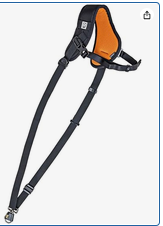
The BLACKRAPID Camera Strap for 1 or 2 DSLR, SLR, and Mirrorless Cameras is designed for photographers who want convenient camera access without constantly holding their equipment. Its cross-body sling design, adjustable stabilizer, and secure attachment hardware make it a useful option for hiking, wildlife photography, travel, and outdoor adventures.
Instead of leaving a camera hanging around the neck, this strap positions it near the hip, allowing photographers to bring it up quickly when an opportunity for a photograph appears.
The BLACKRAPID camera strap uses a cross-body configuration intended for right-handed photographers. It rests on the left shoulder while positioning the camera near the right hip. This arrangement allows the camera to slide along the strap when needed, making it easier to move between carrying and shooting positions.
For hikers, this design can be helpful when photographing landscapes, birds, and wildlife along a trail. Keeping the camera close to the body also helps reduce unnecessary movement while walking. The strap supports one or two compatible cameras, making it useful for photographers who carry different camera bodies for varied shooting situations.
The strap features spring-loaded Cam-Locks positioned along the webbing to help keep the camera near the hip when it is not being used. This arrangement is designed to improve stability and provide quick access when a photographic opportunity arises.
When hiking over uneven ground, keeping camera movement controlled can make carrying equipment more convenient. However, users should check the locking mechanisms and camera connections regularly, particularly before tackling steep trails or scrambling over rocks.
An adjustable underarm stabilizer helps prevent the shoulder strap from slipping out of position during movement. It can be secured in place for additional stability or removed when a more minimal setup is preferred.
This flexibility makes the BLACKRAPID suitable for different body types and shooting conditions. Hikers can benefit from the stabilizer when walking long distances, although its interaction with backpack shoulder straps should be checked before heading outdoors.
The shoulder pad combines nylon mesh, TPE foam, and polyester materials to provide cushioning during extended photography sessions. This construction is intended to make carrying a camera more comfortable during long hikes, sightseeing trips, and wildlife outings.
Comfort will depend on the weight of the camera, lens, and other accessories. Photographers carrying heavy telephoto lenses should consider their total equipment load before choosing a sling strap for all-day use.
The included hardware kit contains a swivel-locking carabiner, LockStar II, FastenR (FR-5) II, and Camera Safety Tether II. These components provide the attachment and retention equipment needed for the intended camera setup.
A reusable black mesh zippered gear bag is also included for storing and transporting the strap and accessories.
The product is backed by a transferable lifetime warranty covering repair or replacement for eligible damage and defects. Loss, theft, deliberate damage, and cosmetic damage that does not affect performance are excluded.
This strap is well suited to hiking enthusiasts, wildlife photographers, travel photographers, and professionals who need quick access to one or two cameras. It is especially useful for photographers who prefer a sling-style carrying system over a traditional neck strap.
Specifications
• Brand: BLACKRAPID
• Product type: Cross-body camera sling strap
• Camera compatibility: DSLR, SLR, and mirrorless cameras
• Carrying capacity: One or two cameras
• Wearing position: Left shoulder to right hip for right-handed users
• Stabilizer: Adjustable and removable underarm strap
• Security: Cam-Locks and camera safety tether
• Included accessories: Mounting hardware and zippered mesh gear bag
• Warranty: Transferable lifetime coverage, subject to exclusions
Pros
• Provides quick access to cameras while hiking or traveling.
• Supports one or two compatible camera bodies.
• Cushioned shoulder pad improves carrying comfort.
• Removable stabilizer allows adjustment to personal preferences.
• Includes dedicated attachment hardware and a storage bag.
Cons
• The sling arrangement may take time to adjust comfortably.
(3)Peak Design Slide Lite Camera Strap for hiking
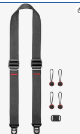
The Peak Design Slide Lite Camera Strap is a versatile carrying solution for photographers who want comfort, flexibility, and reliable camera access while exploring the outdoors. Designed for mirrorless cameras and lightweight DSLRs, it combines a slim profile with the strength needed to support heavier full-frame camera setups.
Whether you are hiking through mountain trails, photographing wildlife, or capturing landscapes during a day trip, this strap offers several carrying options to suit different activities.
The Slide Lite is a slimmer version of Peak Design’s original Slide strap. Its design makes it particularly suitable for mirrorless cameras and lighter DSLR setups without sacrificing the strength needed for compatible full-frame equipment. For hikers, reducing unnecessary bulk can make a difference when packing camera accessories alongside water, food, and other trail essentials.
Its streamlined construction also makes it a practical choice for travel photographers who need a camera strap that works across different environments. Although it is designed with smaller camera systems in mind, users should still consider the combined weight of their camera and lens when planning longer hikes.
The strap uses smooth nylon webbing designed to provide comfort during extended use. One side slides easily across clothing when the strap is worn in sling mode, allowing the camera to move into shooting position with minimal resistance. The opposite side offers a grippier surface to help keep the strap in place when worn over the shoulder.
This reversible design is useful for outdoor photography because hikers can adjust how the strap behaves depending on their carrying preference. The smooth side can help when frequently raising the camera to photograph changing scenery, while the grippy side is beneficial when a more stable shoulder fit is preferred.
The Peak Design Slide Lite can be worn as a sling, shoulder strap, or neck strap. This versatility allows photographers to adapt their setup to different activities and personal preferences.
For hiking, sling mode provides convenient access to the camera, while shoulder mode can be useful during shorter walks or when moving between locations. The neck configuration offers another option when photographers prefer a more traditional arrangement.
Two quick-adjustment mechanisms allow users to change the strap length with minimal effort. These controls make it easier to reposition the camera depending on whether you are walking, climbing a gentle trail, or preparing to take a photograph.
The adjustable design also helps accommodate different clothing layers and carrying preferences, making the strap useful throughout changing weather conditions.
Peak Design’s Anchor Link system allows compatible cameras to be connected or detached quickly. Each anchor is rated to withstand loads exceeding 200 pounds under the manufacturer’s stated rating. The system is designed for compatibility with a wide range of camera setups and other equipment, including binoculars and rangefinders.
Photographers should install the anchors correctly and inspect them regularly, especially before carrying expensive equipment on demanding trails.
The Slide Lite is best suited to hiking enthusiasts, landscape photographers, travel creators, and mirrorless camera owners who want a lightweight, adaptable strap. It is also a good option for photographers who switch frequently between walking and shooting.
Specifications
• Brand: Peak Design
• Product type: Adjustable camera strap
• Compatible cameras: Mirrorless and DSLR cameras
• Material: Nylon webbing
• Carrying modes: Sling, shoulder, and neck
• Adjustment system: Dual quick-adjusters
• Attachment system: Anchor Link
• Anchor load rating: Over 200 pounds per anchor, as specified by the manufacturer
Pros
• Slim design suits hiking and travel photography.
• Three carrying positions provide flexibility.
• Reversible webbing offers smooth movement or improved grip.
• Quick-adjusters make changing strap length convenient.
• Anchor Link attachments support quick camera changes.
Cons
• The slim profile may provide less cushioning than wider straps for some users.
• Heavy camera and lens combinations may become tiring during long hikes.
• Correct anchor installation and regular inspection are essential.
• Users who prefer a heavily padded strap may want a different design.
(4)PGYTECH Camera Strap Pro
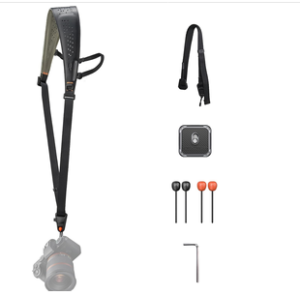
The PGYTECH Camera Strap Pro with Detachable Underarm Strap is designed for photographers who need dependable camera support, quick access, and comfort while moving through demanding environments.
Whether you are hiking along uneven trails, photographing wildlife, or capturing fast-moving outdoor activities, this strap combines adjustable carrying options with a stabilizing underarm attachment.
Its design is particularly useful for photographers who want their camera close at hand without constantly adjusting a slipping shoulder strap.
One of the most useful features of the PGYTECH Camera Strap Pro is its detachable underarm strap, which offers four adjustment positions. When attached, it helps keep the main strap securely positioned during movement, including bending, running, and changing lenses.
This can be especially helpful on hiking trails where frequent movement and uneven terrain may cause a conventional strap to shift.
The underarm component can be detached when you prefer a simpler carrying arrangement. This flexibility allows you to switch between crossbody and single-shoulder configurations depending on the activity. Wildlife photographers, adventure content creators, and outdoor enthusiasts can benefit from having a more stable carrying setup when navigating trails or working in the field.
The strap features a quick-release buckle with a safety lock, allowing photographers to reposition their cameras rapidly. Its dual spherical attachment beads support 360-degree attachment and are designed to reduce twisting during use.
For hiking and wildlife photography, quick access matters when a bird takes flight or an animal appears unexpectedly. The slide-to-shoot design helps bring the camera into position without spending unnecessary time untangling the strap. Users should still verify that the safety lock is engaged before moving over challenging terrain.
The PGYTECH Camera Strap Pro uses high-strength UHMWPE cords and dual quick-mount beads. According to the supplied specifications, each bead supports a maximum load of 90 kg under laboratory testing.
Its three-layer webbing also includes a yellow inner core that becomes visible as the material wears, helping users identify potential deterioration.
These features may appeal to photographers carrying heavier lenses or professional camera equipment. However, the stated load rating should not be interpreted as a guarantee against every type of failure. Correct installation, regular inspection, and careful handling remain important when carrying expensive equipment.
The 60 mm shoulder pad combines genuine leather, EPDM foam, and 56 ventilation holes. A soft suede lining provides additional grip, while the padded construction is designed to reduce pressure during extended photography sessions.
This design may help photographers who spend several hours walking, documenting wildlife, or capturing landscapes. The ventilation holes are intended to improve airflow, although comfort will vary depending on the camera’s weight, clothing, and individual fit.
The strap adjusts from 32.6 to 57 inches (830–1450 mm) using a T-buckle. The manufacturer specifies a suitable user height range of approximately 4.9 to 6.2 feet. A built-in D-ring also provides a convenient attachment point for small accessories such as lens caps or tools.
This strap is best suited to hikers, wildlife photographers, travel creators, and professionals carrying DSLR or mirrorless cameras. It is particularly useful for active photographers who value camera stability and frequently move between walking and shooting.
Specifications
• Product: PGYTECH Camera Strap Pro
• Compatibility: DSLR and mirrorless cameras
• Carrying modes: Crossbody and single shoulder
• Underarm strap: Detachable, four-position adjustment
• Length: 32.6–57 inches
• Shoulder pad: 60 mm wide
• Attachment system: Quick-release buckle and dual spherical beads
• Cord material: UHMWPE
• Additional feature: Yellow-core webbing wear indicator
Pros
• Underarm stabilizer helps reduce strap slippage during movement.
• Quick-release mechanism supports rapid camera access.
• Adjustable length accommodates different users and carrying preferences.
• Ventilated, padded shoulder support is designed for extended use.
• Wear indicator helps identify deteriorating webbing.
Cons
• The additional underarm strap may take time to adjust properly.
(5)BLACKRAPID RS-4 Retro Classic straps
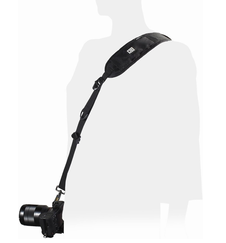
The BLACKRAPID RS-4 Retro Classic Camera Sling is designed for photographers who want quick camera access, comfortable carrying, and reliable support during outdoor adventures. Featuring BLACKRAPID’s original sling-style design, this strap allows a compatible DSLR or mirrorless camera to rest near the hip and slide into shooting position when needed.
Whether you are hiking through scenic landscapes, photographing wildlife, or exploring new destinations, it offers a convenient alternative to traditional neck straps.
The BLACKRAPID RS-4 Retro Classic uses a sling configuration that allows the camera to hang at the side of the body rather than directly around the neck. This arrangement helps keep the camera accessible while leaving your hands free for walking, handling hiking poles, or managing other equipment.
For hiking photographers, quick access can be valuable when a landscape changes with the light or wildlife appears unexpectedly. The camera can be brought up for shooting and returned to the hip afterward.
This design is particularly useful for photographers who prefer carrying their equipment close to the body rather than repeatedly removing a camera from a backpack.
The strap features foam padding covered with a thin nylon honeycomb overlay. Its straight, low-profile shape is designed to provide cushioning without adding excessive bulk. The shoulder pad can be worn on either the left or right shoulder, offering flexibility for different carrying preferences.
During long hikes, shoulder comfort is important, particularly when carrying a camera fitted with a larger lens. The padded construction is intended to make extended use more manageable.
However, comfort will depend on the weight of your equipment and whether the strap sits comfortably alongside your backpack.
The RS-4 includes an accessible front adjustment mechanism that allows users to change the strap length without complicated adjustments. This makes it easier to reposition the camera depending on whether you are walking, resting, or preparing to take a photograph.
A small zippered pocket provides space for memory cards and other compact accessories. This is useful for outdoor photographers who want essential items close at hand rather than stored separately in a camera bag. The pocket is intended for small items, so it should not replace a dedicated storage solution for larger accessories.
Front and rear spring-loaded cam locks help control the camera’s position along the strap. The system is designed to keep the camera accessible while helping prevent unwanted movement during normal use.
The RS-4 also includes a CR-3 swivel and FR-5 connection system, along with a LockStar connector cover that helps secure the carabiner connection. These components contribute to the strap’s attachment and retention arrangement.
Before hiking, users should verify that all connections are properly installed and inspect them regularly, especially when carrying expensive equipment over uneven terrain.
The product is backed by a transferable lifetime warranty covering repair or replacement for eligible damage and defects. Loss, theft, deliberate damage, and cosmetic damage that does not affect performance are excluded.
The BLACKRAPID RS-4 Retro Classic is best suited to hiking enthusiasts, landscape photographers, wildlife observers, and travel photographers who need frequent access to a DSLR or mirrorless camera. It is especially useful for those who prefer a sling strap with simple adjustments and a low-profile shoulder pad.
Specifications
• Brand: BLACKRAPID
• Model: RS-4 Retro Classic
• Strap type: Camera sling
• Camera compatibility: DSLR and mirrorless cameras
• Shoulder pad: Foam with nylon honeycomb overlay
• Adjustment: Front-access adjustment system
• Security: Front and rear spring cam locks
• Connection hardware: CR-3 swivel, FR-5 connection, and LockStar cover
• Additional storage: Small zippered accessory pocket
Pros
• Sling design allows quick access to the camera while hiking.
• Low-profile padding provides cushioning without excessive bulk.
• Shoulder pad can be worn on either side.
• Front adjustment makes repositioning convenient.
• Small zippered pocket stores memory cards and compact accessories.
Cons
• The narrow shoulder pad may be less comfortable with heavy camera setups.
See also: 6 Best Beginner Camera with Flip Screen
Advantages of the Best Camera Straps for Hiking
1. Improved Comfort During Long Hikes
One of the main advantages of the best camera straps for hiking is improved comfort when carrying camera equipment over long distances. Features such as padded shoulder sections, ergonomic designs, and cross-body harnesses help distribute the camera’s weight more comfortably.
Straps like the Peak Design Slide Lite and PGYTECH Camera Strap Pro are designed to accommodate different carrying preferences, helping reduce pressure during extended photography sessions. This is particularly beneficial for hikers who spend several hours exploring trails while carrying a camera and lens.
2. Quick and Convenient Camera Access
Camera straps designed for hiking allow photographers to access their equipment quickly without repeatedly opening a backpack. Sling-style designs, such as those used by the BLACKRAPID RS-4 Retro Classic and BLACKRAPID Camera Strap, keep the camera close to the body and allow it to move into shooting position when needed.
This is useful when photographing wildlife, capturing changing landscapes, or documenting unexpected moments along the trail. Quick access also makes it easier to alternate between walking and taking photographs.
3. Enhanced Camera Security
The best hiking camera straps incorporate attachment systems designed to help keep valuable equipment securely connected to the photographer. Features such as locking carabiners, safety tethers, reinforced cords, and secure mounting points provide additional protection against accidental drops.
For example, the PGYTECH Camera Strap Pro uses quick-mount beads and a safety-focused attachment system, while the BLACKRAPID models include specialized connection hardware. These features are particularly useful when navigating rocky paths or uneven terrain, although proper installation and regular inspection remain essential.
4. Better Stability While Moving
Camera straps with stabilizers and adjustable carrying systems help minimize unwanted camera movement during outdoor activities. An underarm strap, such as the detachable stabilizer found on the PGYTECH Camera Strap Pro, helps prevent the main strap from slipping off the shoulder during bending or active movement.
Similarly, sling straps position the camera close to the hip, making it easier to manage while walking. Improved stability is valuable for hikers who need to keep their hands free for balance, hiking poles, or other equipment.
5. Flexible Carrying Options
Another advantage is the ability to adjust the strap according to the activity, camera setup, and personal preference. Some models can be worn across the body, over one shoulder, or around the neck.
The Peak Design Slide Lite, for instance, supports sling, shoulder, and neck configurations, while the PGYTECH Camera Strap Pro can switch between crossbody and single-shoulder carrying. This flexibility allows photographers to adapt their setup when moving between easy walking trails, photography stops, and other outdoor activities.
6. Support for Different Camera Types and Equipment
Many hiking camera straps accommodate different camera systems, including DSLR, SLR, and mirrorless cameras. Some models can also carry two camera bodies, making them useful for photographers who need different lenses or camera setups readily available.
The Dual Camera Harness Leather Camera Strap and BLACKRAPID Camera Strap offer dual-camera carrying options, while other models focus on a single camera. Choosing a strap compatible with the camera and lens combination helps improve carrying convenience and equipment accessibility during outdoor adventures.
6 Factors to Consider When Choosing the Best Camera Straps for Hiking
1. Comfort and Weight Distribution
Comfort is one of the most important factors when choosing a camera strap for hiking, especially if you plan to spend several hours exploring trails. Look for straps with padded shoulder sections, ergonomic designs, and materials that help distribute the weight of your camera evenly.
Crossbody straps and harness-style designs can reduce pressure on the neck by spreading the load across the shoulder and upper body. Breathable materials and cushioning can also improve comfort in warm weather. Consider the combined weight of your camera and lens, as heavier equipment generally requires better support to prevent discomfort and fatigue during long hikes.
2. Camera Compatibility and Weight Capacity
Before purchasing a camera strap, ensure it is compatible with your camera type and capable of supporting your complete setup. Different straps are designed for DSLR, SLR, and mirrorless cameras, while some can accommodate two camera bodies simultaneously.
Check the attachment method, connector compatibility, and manufacturer’s stated load capacity. Remember that the combined weight of the camera, lens, and accessories matters more than the camera body alone. If you regularly carry heavy telephoto lenses or professional equipment, choose a strap designed for that load and inspect its connectors regularly to help prevent accidental drops.
3. Security and Attachment System
A reliable attachment system is essential when carrying expensive photography equipment across uneven terrain. Look for secure connectors, locking mechanisms, safety tethers, and reinforced attachment points that help prevent accidental detachment. Some straps feature additional locking components or secondary safety connections for extra protection.
Ensure the attachment system is compatible with your camera’s mounting points and that all components are installed correctly before heading outdoors. Regularly inspect the connectors, webbing, stitching, and mounting hardware for signs of wear or damage. Secure attachment is particularly important when hiking on steep trails, crossing rocky areas, or photographing wildlife in challenging environments.
4. Adjustability and Carrying Style
The best camera strap should accommodate your preferred carrying position and allow you to move comfortably while hiking. Common options include neck straps, shoulder straps, crossbody slings, and harness-style systems. Adjustable straps make it easier to position the camera near your hip or chest for convenient access when taking photographs.
Some designs also include removable stabilizers that help prevent the strap from slipping during movement. Consider whether you prefer carrying your camera on one shoulder or distributing its weight across your body. If you wear a hiking backpack, check that the strap works comfortably alongside the backpack’s shoulder straps without restricting movement.
5. Material Quality and Weather Resistance
Hiking exposes camera straps to dust, moisture, sunlight, mud, and repeated friction, making material quality an important consideration. Look for durable webbing, strong stitching, dependable connectors, and padding that can withstand regular outdoor use.
Materials that dry quickly and are easy to clean can be especially useful when hiking in unpredictable weather. Leather components may offer a traditional appearance and comfortable feel, but they can require additional care when exposed to moisture.
Also, remember that a durable strap is not necessarily waterproof. Check the manufacturer’s care instructions and inspect the material regularly for fraying, weakened stitching, or other signs of deterioration.
6. Ease of Camera Access and Additional Features
A good hiking camera strap should allow you to retrieve your camera quickly without interrupting your exploration. Sling-style designs that let the camera slide into shooting position can be useful for capturing wildlife, changing landscapes, and spontaneous moments.
Quick-release mechanisms also make it easier to detach the camera when necessary, while adjustable stabilizers can help keep it secure during movement. Additional features, such as small storage pockets, accessory attachment points, and removable components, may improve convenience.
Choose features that match your photography habits rather than paying for unnecessary extras. The goal is to keep your camera accessible while maintaining a comfortable, organized, and practical hiking setup.
3 Best Camera Straps for Hiking FAQs
1. What type of camera strap is best for hiking?
The best camera strap for hiking is one that provides comfort, secure attachment, and quick camera access while allowing freedom of movement. Crossbody sling straps are popular because they keep the camera close to the body and make it easy to bring into shooting position.
For photographers carrying heavier cameras or large lenses, a padded strap or harness with an adjustable stabilizer may provide better support. The ideal choice depends on your camera’s weight, hiking distance, terrain, and personal carrying preference.
2. How do I choose a comfortable camera strap for long hiking trips?
To choose a comfortable camera strap for long hikes, consider its padding, weight distribution, adjustability, and material quality. Wide or ergonomically designed shoulder pads can help distribute pressure, while breathable materials may improve comfort during warm-weather activities.
Adjustable straps allow you to position your camera where it feels most comfortable and remains easily accessible. If you carry a backpack, make sure the camera strap works well with its shoulder straps without creating uncomfortable pressure points. For heavier equipment, consider a harness-style design that offers additional stability.
3. Are camera sling straps safe for hiking with expensive equipment?
Yes, camera sling straps can be suitable for hiking with expensive equipment when they are properly installed, compatible with your camera, and designed to support its weight. Look for secure attachment points, locking connectors, and safety tethers that help reduce the risk of accidental drops.
Before starting your hike, check that every connection is secure and inspect the strap for fraying, damaged stitching, or worn components. On steep or uneven trails, consider using an additional safety tether and keeping the camera close to your body to minimize excessive swinging.
Final Conclusion
Choosing the best camera straps for hiking can make a significant difference in comfort, convenience, and equipment security during outdoor adventures. The options discussed offer practical features for different photography needs, including padded shoulder supports, adjustable carrying positions, secure attachment systems, quick-release mechanisms, and stabilizers that help keep cameras accessible while walking.
Whether you prefer a lightweight sling for a mirrorless camera, a versatile strap for a DSLR, or a dual-camera harness for professional photography, the right choice depends on your equipment weight, hiking conditions, and personal preferences.
When selecting a camera strap, prioritize comfort, durability, reliable attachment points, and compatibility with your camera setup. Ultimately, the best camera straps for hiking allow you to explore trails more comfortably, keep your equipment within reach, and capture memorable landscapes and wildlife without unnecessary interruptions.